Anna Wintour
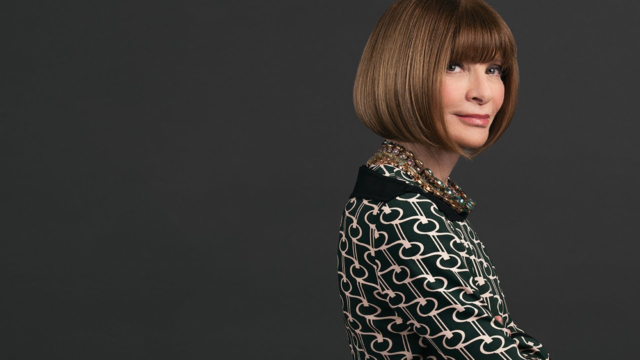
There are very few public personalities who have become living icons in their sector and if we talk about female style and power then we cannot fail to mention her, the "devil" who wears Prada: Anna Wintour.
Director of the renowned monthly Vogue since 1988, Anna Wintour revolutionized the editorial approach of the magazine, offering her readers a new vision of fashion and becoming herself a model of innate class to follow. An aesthetic composure that seems to go hand in hand with an authoritarian character and not inclined to compromise: is it true?
Biography
Born in Hampstead on 3 November 1949, Anna Wintour is the daughter of an artist: her father, in fact, was the director of the Evening Standard, a local newspaper in London; one of the brothers of the famous editor of Vogue is also a journalist and diplomatic editor for The Guardian.
Anna Wintour's parents separated when the woman was around forty years old. Wintour's father marries Audrey Slaughter, publisher. Wintour is the second of five siblings: the eldest died as a child due to a car accident.
A rebellious personality, Anna Wintour manages to get expelled from school due to her tendency to readjust the hems of her skirts according to her taste. Her passion for fashion was evident already in her youth, thanks to reading magazines that her grandmother sent her from the USA and watching fashion programmes.
Career
Anna Wintour took her first steps in the exclusive universe of fashion when, at just fifteen, she began her studies in the sector - which she would later set aside - and at the same time worked in a boutique. It was a short step from selling expensive garments to writing for style magazines: the then teenager Wintour began collaborating for Oz.
Always attentive to new trends in London and beyond, Wintour undertakes a collaboration with the magazine Harper's and Queen in Great Britain. Having moved to New York, the woman was hired as an editorial assistant and fashion editor for Harper's Bazar and Viva.
In 1985, Anna Wintour returned to London: in the English capital she was entrusted with the very important role of editor-in-chief for British Vogue. A crazy launching pad for the prima donna of fashion publishing, who two years later returned to the United States to take on the role of director of the interior design magazine House & Garden.
Wintour's imprint within the editorial team generates some complaints from her subordinates who underline how much Wintour has changed the appeal of the magazine, bringing it too close to fashion magazines and almost completely neglecting the part dedicated to interior design.
1988 was a golden year for Anna Wintour, who took over the reins of Vogue inheriting the role that had until then been held by Grace Mirabella. In the popular monthly magazine Wintour brings her personal vision of fashion, bringing about notable revolutions since the management of the cover: the portraits in the foreground are replaced by shots of models taken in full, dressed in chic garments expertly mixed with cheap clothes; a winning choice, which winks at an ever-wider segment of readers.
Wintour's influence within Vogue is so strong that in 2013 the director was promoted to artistic director of the entire Condé Nast group. In 2018 she obtained a lifetime promotion from the publisher as director of Vogue.
Private life
Wintour is the veteran of two unions, both of which ended. The first is with the child psychiatrist David Shaffer, whom Anna Wintour married in 1984 and from whom she divorced in 1999. From the union Charles and Katherine were born; the latter married the son of the late director of Vogue Italia Franca Sozzani, the photographer and director Francesco Carrozzini in 2018.
Anna Wintour's second partner is the investor Shelby Bryan, whom the English director married in 2004 and from whom she divorced in 2020. Grandmother of three beautiful grandchildren, Anna Wintour moved to the Greenwich Village residential complex in New York in 2016. The day of the powerful leader of Vogue is marked by very specific rituals: wake up early, play tennis, take care of yourself and arrive at the editorial office a few hours later.
Anna Wintour becomes unavailable during lunch time: she turns off her cell phone to eat in peace. Furthermore, the woman shows up at the fashion shows to which she is invited a few hours in advance and stays at parties for around twenty minutes. The director and journalist goes to bed at 10.15pm.
Stile
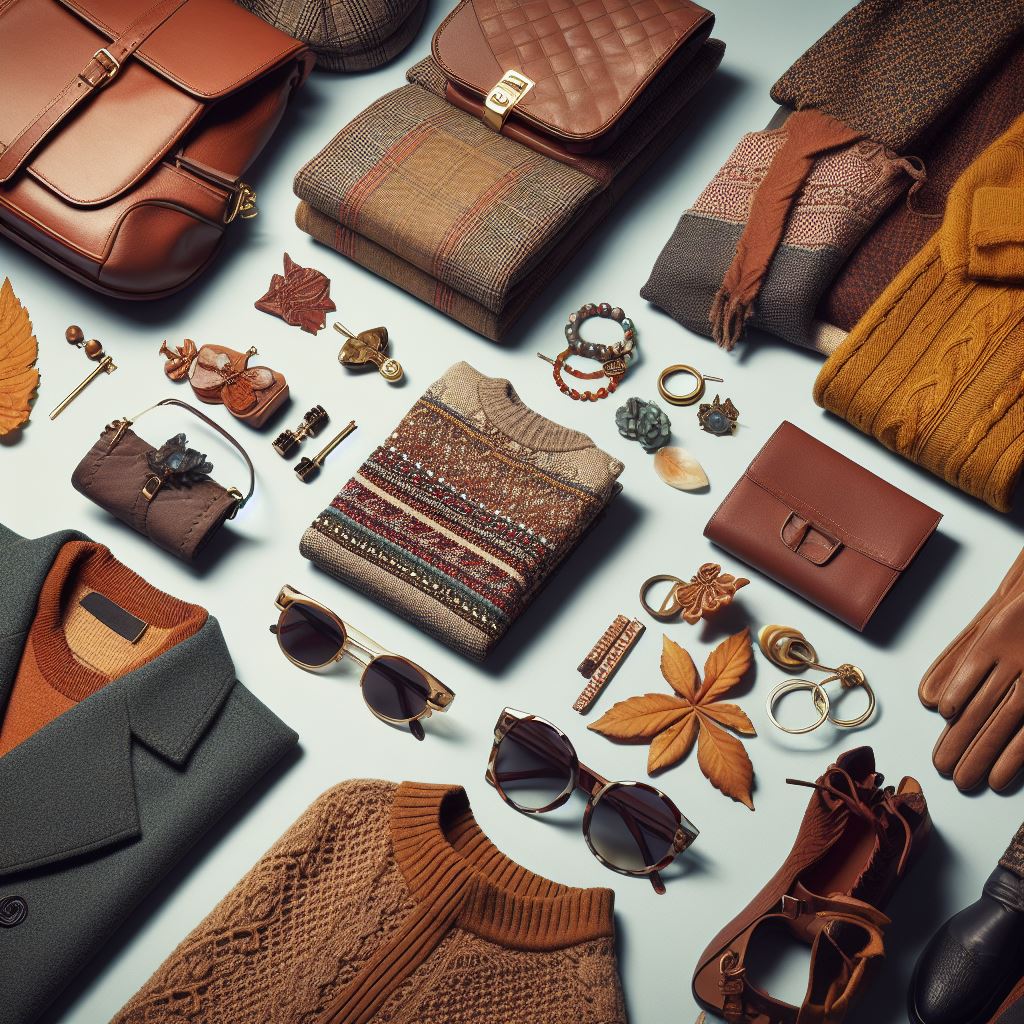
Anna Wintour is considered a true fashion icon. The journalist, in fact, was able to adapt her style to the position she holds. So, having abandoned jeans and t-shirts or tank tops, the woman has filled her wardrobes with elegant and sumptuous Chanel outfits, equipped with the inevitable miniskirt.
Anna Wintour's style is so loved and emulated that The Guardian has deservedly included her in the top 50 of the best dressed people aged fifty and over. Her very perfect outfit is completed by the inevitable sunglasses (probably corrective), the Manolo Blahnik sandals (known above all for being the "fetish" of Sarah Jessica Parker in "Sex and the City") and her trademark: the pageboy bob, rigorously smooth, blond.
Charity
Anna Wintour dedicates herself body and soul to charitable causes. In her role as Trustee of the Metropolitan Museum of Art in New York Wintour raised funds which she allocated to the Costume Center dedicated to her which is located in the museum itself.
Furthermore, the commitment that the leading lady of Vogue puts into supporting the cause of the fight against AIDS is memorable: in 1990 Wintour raised ten million dollars donated to organizations that deal with protecting those suffering from this terrible disease.
Anna Wintour is the founder of the CFDA/Vogue Fund, to support emerging and unknown artists.
Anna Wintour's influence in mass culture
The Devil Wears Prada: success and controversies
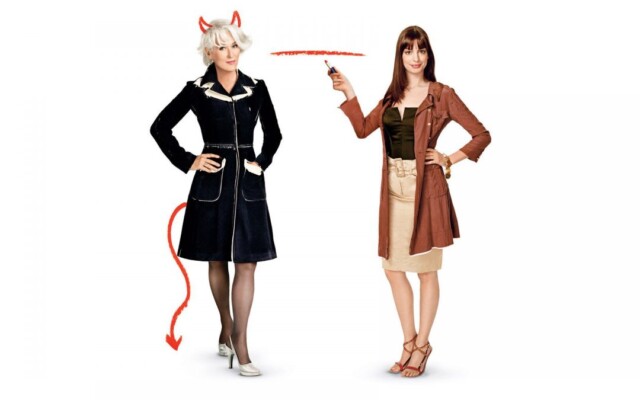
The famous 2006 film The Devil Wears Prada – taken from the novel of the same name by the former assistant of Vogue Lauren Weisberger – is heavily inspired not only by the figure of Anna Wintour, but also by the unpleasant aspects of working in a fashion magazine.
The novel (and its subsequent adaptation) would be the fictionalized version of the real experience lived by the author of the best seller within Vogue. The figure of Miranda Priestly would have been modeled on that of Wintour; this hypothesis was never denied or confirmed by the director or by Weisberger.
Wintour attended the film's theatrical premiere, stating that she loved The Devil Wears Prada because it shows "Anything that makes fashion fun and glamorous and interesting is wonderful for our industry. So, I was 100% in favor."
Lights and shadows, however, hover around the director's reaction to the news of the making of the film; some "deep throats" would have highlighted Anna Wintour's intimidating attitude towards American and British stylists, who would have received heavy pressure not to take part in the film.
The September Issue
Three years after the release of The Devil Wears Prada, the documentary directed by R.J. was released. Cutler The September Issue, set in the universe of fashion. The documentary focuses on Wintour and the former model and creative director of Vogue Grace Coddington, who coexist symbiotically despite their differences in views.
Other references
Wintour's image and character have become the ideal skeleton for the creation of some characters that have become iconic for mass culture.
Johnny Depp, for example, has never denied having shaped "his" Willy Wonka in the image and likeness of Wintour, from the strong-willed character to the unmistakable blond bob. In the TV series Ugly Betty there is the character Fey Sommers who in some characteristics resembles the editor of Vogue.
Even cartoons have freely taken inspiration from Anna Wintour's style and temperament to recreate credible and irresistible antagonists: just think of Edna Mode, the caricatured antagonist in the Pixar film The Incredibles.
Controversy and controversies
Every rose has its thorns and Anna Wintour is no exception. The director of Vogue has often been accused of blatantly favoring American and British designers, as frequently complained also by local designers such as Roberto Cavalli and Krizia. A controversy which, however, was toned down by Franca Sozzani, who underlined how this is common practice of many fashion directors.
Much more serious controversies concern, however, Wintour's alleged ideas on the excessive thinness of the models who pose for Vogue. The British director has been accused of promoting examples that veer towards anorexia nervosa; Wintour responded to these accusations by claiming that the real plague of the USA is obesity, which should be fought by promoting a healthier lifestyle.
Another ax that hangs over the helmet of the influential Anna Wintour is the one thrown by animal rights activists, who do not forgive the undisputed leader of editorial fashion for her passion for fur.
Honours
- Officer of the Order of the British Empire — 2016
- Dame of Commander of the Order of the British Empire "For services to fashion and journalism" — 2016