The 6 trends for sustainable fashion in 2023: towards a greener future
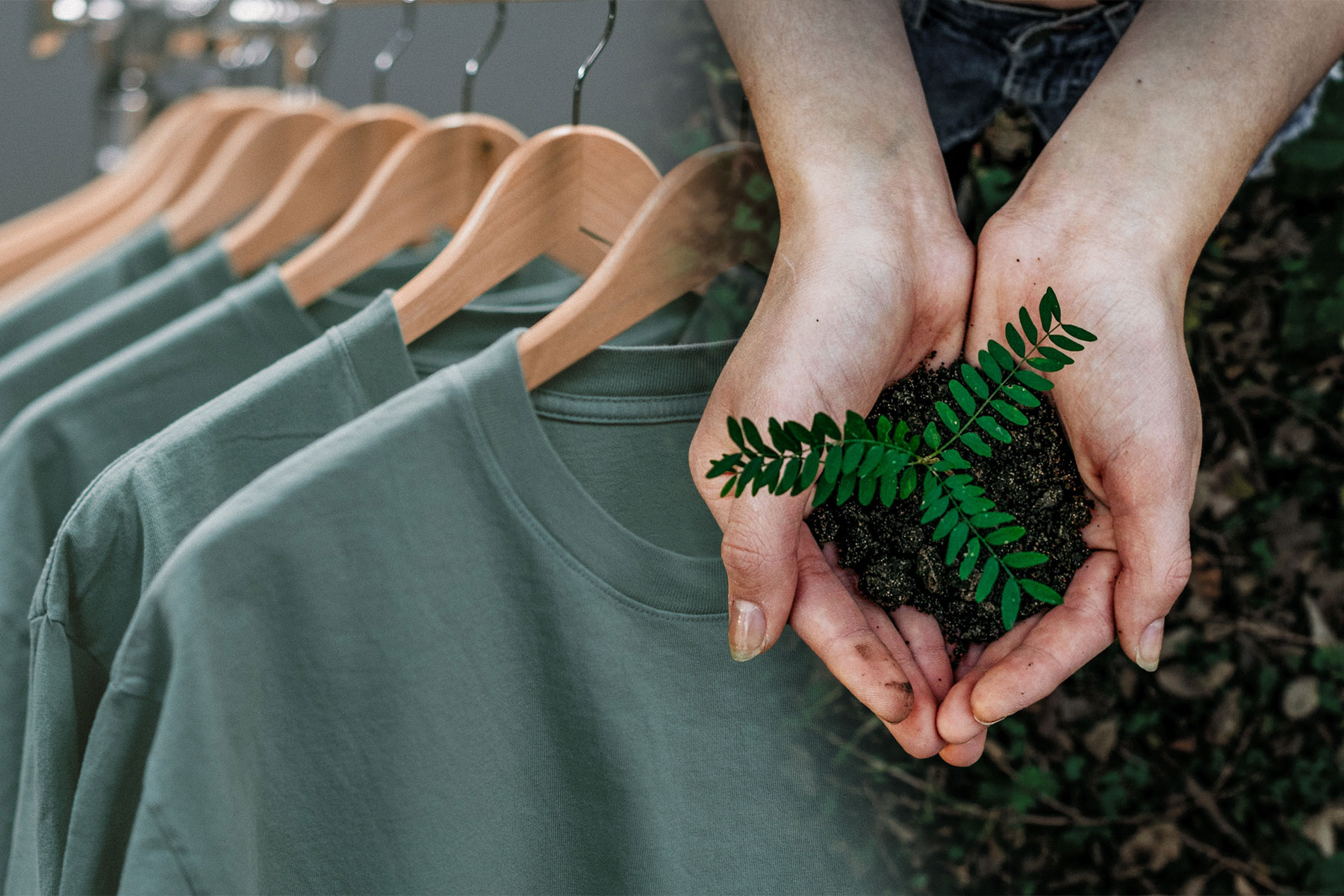
In recent years, sustainable fashion has become increasingly important for consumers and the clothing industry. With a greater focus on environmental impact and social responsibility, more and more brands are looking to adopt sustainable practices and reduce the environmental impact of clothing production. In 2023, there will be some major trends in sustainable fashion that will define the future of the apparel industry. In this article, we will explore the 6 trends for sustainable fashion, offering an overview of the latest news in sustainable fashion and showing how attention to the environment will increasingly be at the center of the clothing industry.
Sustainable materials
In 2023, more and more brands will focus on producing garments using materials such as organic cotton, organic wool, linen and hemp. These materials are grown and produced responsibly, without the use of chemicals harmful to the environment and the health of workers. Furthermore, these organic fabrics are high quality and long-lasting, which means that garments made from these materials will be more resistant and last longer over time. The production of these fabrics represents a more eco-friendly alternative to synthetic fabrics derived from petroleum, which are highly polluting and slow to degrade. Using sustainable materials in the production of garments represents an important step forward towards green and responsible fashion, reducing the environmental impact and improving the quality of the garments produced.
Upcycling
The second trend concerns upcycling, different from recycling, a creative process that consists of reusing old fabrics to create new items of clothing. Over the years this has become more and more widespread, with designers using existing materials to create new designs of clothing and accessories. Upcycling is a sustainable alternative to recycling, as it not only reduces the amount of waste produced but gives new life to existing materials, avoiding the production of new fabrics that require energy and natural resources. It also allows you to create unique and original garments, which can stand out from mass production. This trend represents a paradigm shift in fashion, where we move from the concept of "disposable" to that of "use and reuse", placing attention on environmental sustainability and the creative potential of upcycling. Designers can thus create garments that tell a story, carrying forward the concept of sustainable fashion and the circular economy.

Production processes with low environmental impact
Many brands will begin to adopt zero impact production techniques, using renewable energy and limiting the emission of greenhouse gases. This approach allows us to reduce the environmental impact of clothing production, which represents one of the most polluting sectors in the world. Brands that focus on low environmental impact production processes will be able to offer consumers high-quality, green clothing that respects the environment and natural resources. Furthermore, the adoption of this type of process will encourage the creation of jobs capable of respecting workers' rights and safety standards, thus also curbing the tragic and widespread phenomenon of child labor in disadvantaged countries. This trend represents an important step towards responsible fashion, in which the production of clothing does not harm the environment and workers.
Ethical practices in fashion
The fourth trend concerns the adoption of ethical practices in fashion. To move towards a sustainable fashion industry it is necessary to protect workers' rights, guaranteeing fair wages and safe working conditions. Ethical fashion aims to combat labor exploitation in developing countries, where the majority of clothing is produced. This trend promotes corporate social responsibility and professional ethics, through the creation of clothing that respects workers' rights and reduces the negative social impact of clothing production. Ethical fashion represents an important step forward for ecology, creating a fair and sustainable economy globally. Furthermore, consumers who are increasingly informed and sensitive to social issues show a growing preference for ethical and sustainable brands, encouraging companies to adopt ethical and sustainable practices in the production of clothing.
Local production
Local manufacturing is a growing trend in sustainable fashion, as more and more brands choose to produce close to their target markets instead of producing abroad and transporting their products around the world. This approach reduces the environmental impact of transport and promotes the local economy, creating new job opportunities and reducing dependence on clothing imports. It can also encourage the creation of more transparent and responsible production chains. With local manufacturing, brands can closely monitor working conditions and the environmental impact of production. This promotes greater equity in the clothing industry and more sustainable and responsible production and therefore represents an important solution in sustainable fashion, where sustainability and social responsibility have become increasingly important to consumers.
Sustainable packaging
sustainable packaging is another important trend in green fashion. Instead of using traditional packaging materials, more and more brands are choosing sustainable and reusable packaging for their products. This method reduces the consumption of materials and the amount of waste generated by clothing production. Furthermore, sustainable packaging can be used multiple times, thus reducing the environmental impact of transport and distribution. This packaging is often made from recycled or biodegradable materials, further reducing environmental impact. Additionally, brands can use sustainable packaging to communicate their focus on sustainability and educate consumers about sustainable practices in fashion. They therefore represent an important trend in green fashion, helping to reduce the environmental impact of clothing production and promoting sustainability in the clothing industry.

From biodegradable fibers to digital technologies, these trends show how innovation and sustainability can go hand in hand in the apparel industry. Although there is still much work to be done, the trends for sustainable fashion in 2023 make us look to the future with optimism and hope, in a more sustainable and responsible clothing industry. With greater attention to the environment, we can all contribute to building a better future for the environment and for fashion.